
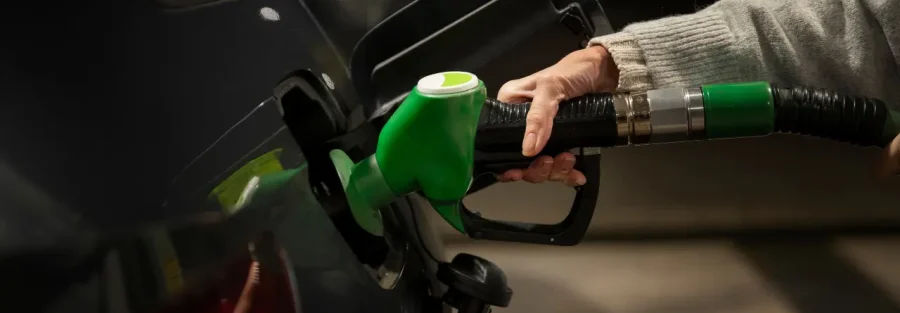
There was a time in Pakistan when luxury meant owning a bigger house, taking annual vacations abroad, or upgrading to the latest imported car. Today, the definition feels very different, and much quieter. Now, luxury is filling up your fuel tank without checking your banking app first.
You can say it is driving with the AC on without mentally calculating how much petrol is burning in traffic. It is taking the longer route because it is more comfortable, not because it saves fuel.
In many ways, this shift says more about Pakistan’s changing middle class than any economic report ever could.
The modern Pakistani middle class has not disappeared, but it has evolved into something more cautious, more financially alert, and far more aware of everyday costs. Inflation, fuel prices, utility bills, and economic uncertainty have quietly changed the psychology of comfort.
People still earn, still spend, and still aspire. But the emotional relationship with money has changed.
Comfort Has Become Mathematical
A decade ago, many middle-class financial decisions revolved around growth. Families discussed school upgrades, home renovations, and future investments. Today, conversations often revolve around sustainability:
- Can we maintain this lifestyle?
- Can we continue driving daily?
- Can we afford the same routines next year?
This mental arithmetic has become deeply embedded into everyday life. Commutes are calculated. Air conditioning usage is debated. Weekend outings are weighed against monthly fuel budgets.
Ironically, inflation rates in Pakistan have recently shown signs of easing compared to the crisis peaks of previous years. Pakistan’s average inflation rate for FY2025 was reported around 4.5%, significantly lower than the 23.4% average recorded a year earlier.
However, public sentiment tells a more complicated story. People do not experience inflation through percentages. They experience it through habits. A lower inflation rate does not necessarily mean prices have returned to comfortable levels. It simply means prices may be rising more slowly than before. That distinction matters, especially for households that already adjusted their lifestyles during the inflation surge of 2022 and 2023. For many families, the financial caution introduced during those years never really left.
The Rise of “Silent Budgeting”
One of the most interesting cultural shifts in urban Pakistan is the rise of what could be called silent budgeting. People rarely announce financial stress openly, particularly in professional or social circles. Instead, they quietly optimize. They combine errands into one trip to save fuel. They prefer nearby restaurants over destination dining. They postpone unnecessary driving. They increasingly value fuel efficiency over appearance when purchasing vehicles.
Even social plans now come with invisible calculations. This is not necessarily poverty. It is recalibration. And recalibration changes how societies define stability.
In the past, middle-class success was associated with visible upward mobility. Today, stability itself has become aspirational. The ability to maintain routines without financial anxiety now feels like a form of privilege. That is why something as ordinary as driving freely has started feeling luxurious.
The Psychological Cost of Economic Uncertainty
Economic pressure is not only financial. It is psychological. When fuel prices fluctuate frequently, when utility bills become unpredictable, and when household expenses constantly shift, people develop a low-level state of financial vigilance. Even financially stable professionals begin making defensive decisions.
This is visible across Pakistan’s urban centers. Professionals who once upgraded cars every few years are now delaying purchases. Families that preferred larger vehicles increasingly discuss hybrid options. Ride-hailing and carpooling conversations are no longer limited to students or younger workers.
At the same time, there is a growing emotional value attached to predictability. People want fewer surprises. A stable electricity bill feels comforting. A manageable fuel budget feels relieving. A routine commute without cost anxiety feels mentally freeing. Interestingly, discussions across Pakistani online communities increasingly reflect this emotional exhaustion around affordability and middle-class pressure.
A New Definition of Wealth
This shift also reveals something deeper about modern consumer behavior. Globally, people increasingly associate wealth with convenience, freedom, and peace of mind rather than purely material ownership. Pakistan is now experiencing its own version of that transition. The aspirational middle class still values progress, but the markers have changed.
Today, wealth might mean:
- Not checking fuel prices before a long drive
- Keeping the generator or inverter running without stress
- Taking family outings without budgeting the route
- Having enough financial buffer to absorb uncertainty calmly
These are not dramatic luxuries. They are everyday freedoms. And perhaps that is what makes them meaningful.
The Human Side of Economic Conversations
Economic discussions in Pakistan often become heavily political or overly technical. But beneath the headlines and policy debates are millions of ordinary behavioral adjustments happening quietly every day. The middle class is adapting, not collapsing. People are becoming financially smarter, more resource-conscious, and more intentional with spending. That adaptability itself reflects resilience.
At the same time, businesses, employers, and leaders should pay attention to these changing realities. Consumer priorities are shifting. Employees are carrying invisible financial stress. Purchasing decisions are becoming more emotional and value-driven.
Understanding these subtle cultural changes matters because economies are ultimately shaped by human behavior, not just numbers. And right now, one of the clearest indicators of middle-class confidence in Pakistan may be surprisingly simple: Driving somewhere without doing mental math first.