Electricity in Pakistan has become more than a utility issue. It is closely connected to household budgets, business productivity, industrial competitiveness, investment decisions and the country’s broader economic stability. Yet Pakistan’s electricity challenge is increasingly difficult to explain through a simple shortage of power.
The country has expanded its generation capacity significantly over the years. At the same time, consumers continue to face high electricity bills, concerns about reliability, transmission constraints and the financial pressures surrounding the power sector. This creates an uncomfortable question: if Pakistan has more generating capacity than before, why does electricity still feel like such a persistent problem?
More Generation, But Not Necessarily Better Electricity
Pakistan’s electricity story is not about how much power can be generated. It is also about whether that electricity can be transmitted efficiently, distributed reliably and supplied at a price that consumers and businesses can afford.
The World Bank has highlighted structural weaknesses in Pakistan’s power sector, including distribution losses, financial inefficiencies and constraints within the transmission system. These problems can prevent available electricity from reaching consumers efficiently and contribute to higher costs across the system.
This helps explain the paradox. Building generation capacity addresses only one part of the electricity equation. A reliable power system also requires efficient grids, financially sustainable distribution companies, effective recovery of electricity bills and investment in infrastructure.
The Financial Burden Behind the Switch
One of the most persistent challenges is circular debt, a problem created when financial obligations accumulate across different parts of the electricity supply chain.
By February 2026, Pakistan’s power-sector circular debt stock was reported at around Rs1.84 trillion. While the government stated that the increase was partly related to timing differences and that the flow remained within agreed targets, the size of the accumulated debt illustrates the financial pressure embedded within the sector.
For consumers, the consequences can extend beyond the electricity bill itself. Financial weaknesses in the power sector can contribute to tariff pressures, limit investment in infrastructure and make it harder to create a system that is both affordable and reliable.
The issue therefore goes beyond electricity companies. It affects businesses planning their operating costs, manufacturers managing production schedules and households trying to manage increasingly complex monthly expenses.
When Consumers Start Producing Their Own Power
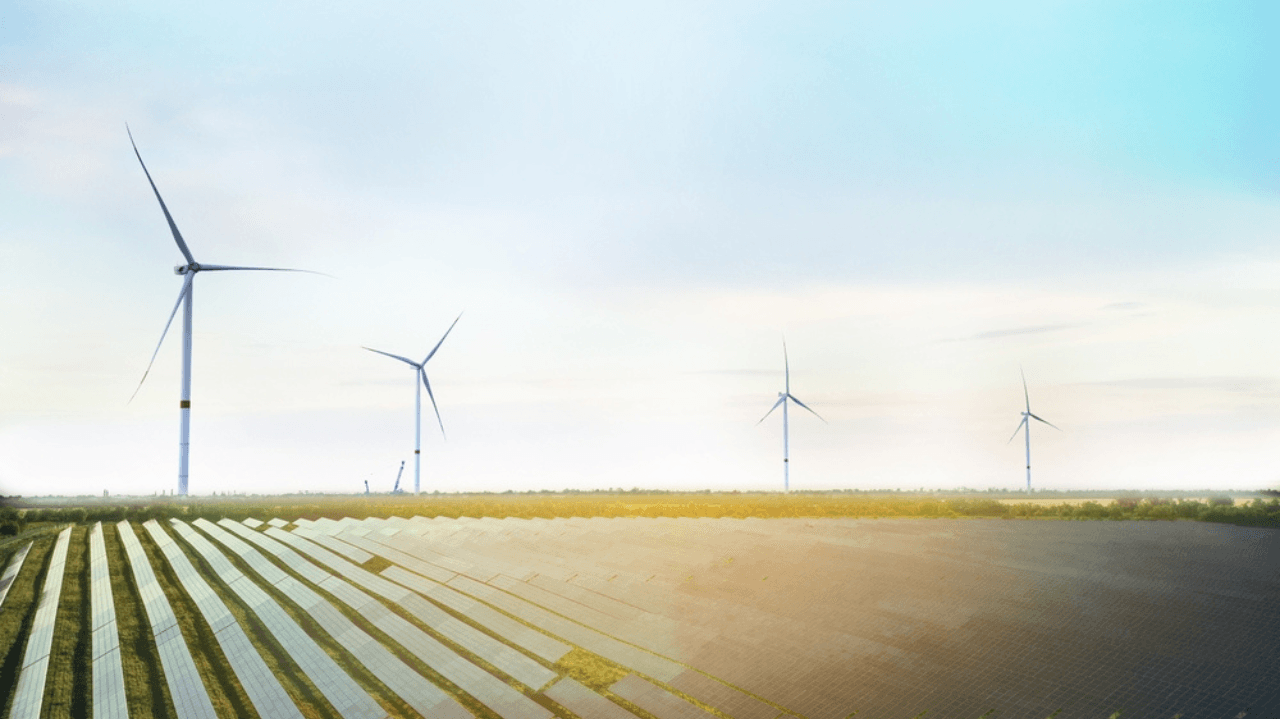
Perhaps the most interesting development in Pakistan’s electricity market has been the rapid growth of rooftop solar.
By December 2024, the number of solar net-metering consumers had reached approximately 283,000, while installed net-metered capacity had increased to 4,124 MW, compared with just 321 MW in 2021, according to information presented to the Economic Coordination Committee.
This growth reflects a rational response from consumers. When grid electricity becomes expensive or unreliable, generating electricity independently becomes increasingly attractive.
However, this creates another layer to Pakistan’s electricity paradox. Solar can reduce dependence on the grid for individual households and businesses, but widespread movement away from grid consumption can also affect the financial sustainability of utilities that still have to maintain transmission and distribution infrastructure.
In March 2025, the government approved proposed changes to the net-metering framework, citing the growing financial impact on grid consumers. The decision illustrates how quickly Pakistan’s energy landscape is changing.
The Business Cost of Unreliable Power
For businesses, electricity is not simply another operating expense. It is an essential input.
Power interruptions can stop production lines, disrupt cold storage, affect IT systems, delay customer service and reduce employee productivity. Businesses that depend heavily on digital infrastructure may also need backup generators, batteries, UPS systems or alternative energy sources, increasing their overall operating costs.
For small and medium-sized enterprises, these additional expenses can be particularly difficult to absorb.
Reliable electricity also matters for investment. Businesses considering expansion need greater certainty about operating costs, infrastructure and energy availability. A power system that is expensive or unpredictable can therefore influence decisions far beyond the energy sector.
A Shift from Energy Shortage to Energy Structure
Pakistan’s challenge is gradually becoming more complicated than simply generating more electricity.
The country needs to focus on the structure of its electricity system: improving transmission and distribution, reducing technical and commercial losses, strengthening financial management, encouraging efficient consumption and creating policies that balance consumer affordability with the sustainability of the grid.
The rapid growth of solar also presents an opportunity. Renewable energy can reduce fuel dependence and help businesses manage energy costs, but it needs to be integrated into a modern grid supported by appropriate regulation, storage, forecasting and investment.
The goal should not be to choose between the national grid and private generation. It should be to build an energy system where both can contribute to a more reliable and sustainable economy.
What Pakistan’s Electricity Future Needs
Solving the electricity paradox will require more than adding generation capacity. It requires coordinated reform.
For policymakers, this means improving governance, reducing system inefficiencies and creating predictable energy policies. For businesses, it means treating energy management as part of long-term operational and financial planning. For consumers, it means having access to reliable electricity at a price that does not place an unsustainable burden on household finances.
Pakistan has already demonstrated that consumers are willing to invest in alternatives when the existing system does not meet their needs. The rapid adoption of rooftop solar is one of the clearest examples.
The next challenge is ensuring that this transformation strengthens rather than fragments the country’s energy system.
Pakistan may not simply have an electricity shortage anymore. It has an electricity system challenge, where generation, affordability, infrastructure, regulation and financial sustainability are deeply connected.
The real question is therefore no longer just, “Does Pakistan have enough electricity?”
It is whether Pakistan can build an electricity system that is reliable, affordable, financially sustainable and capable of supporting the businesses and communities that depend on it.