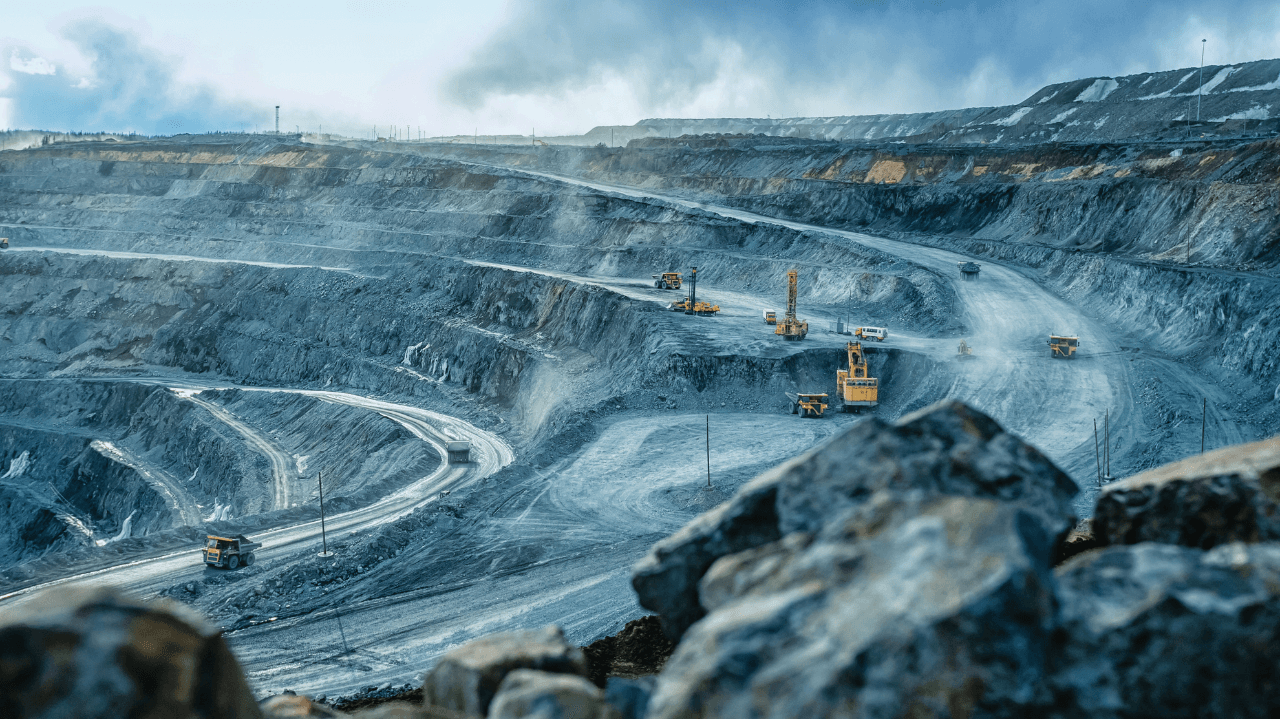
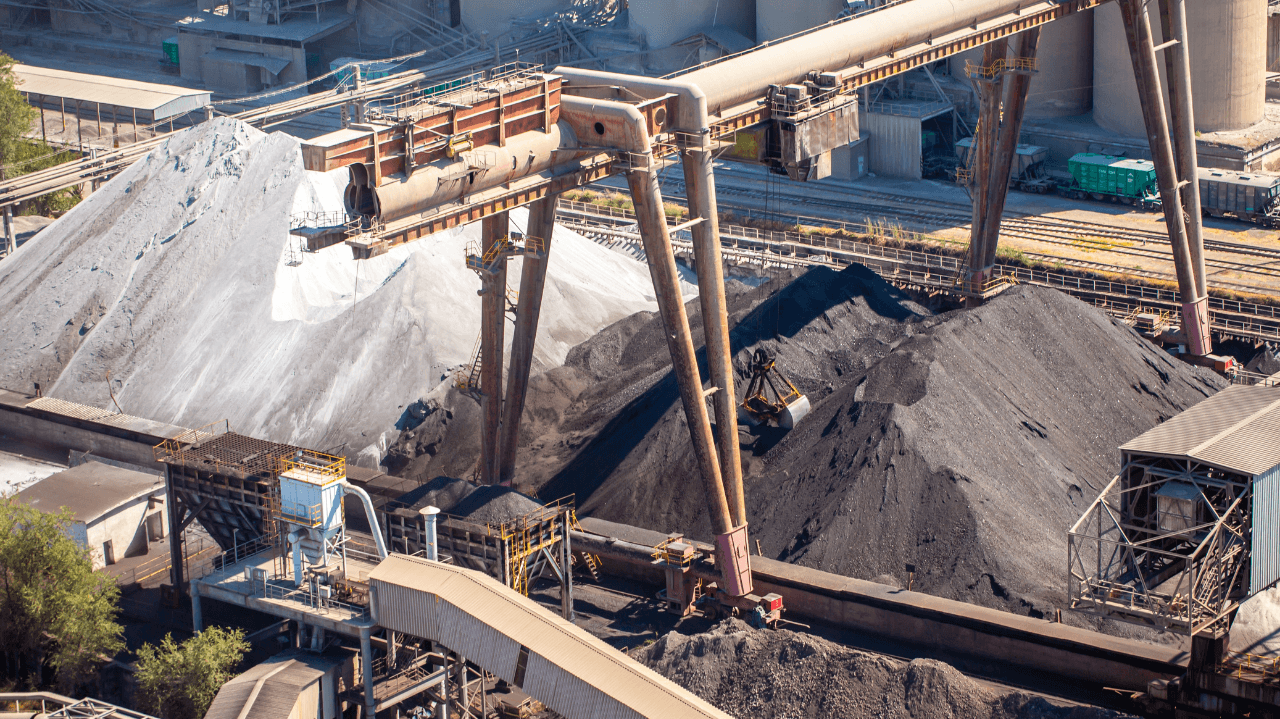
When most Pakistanis hear the name Lucky Cement, they immediately think of construction sites, tall buildings, and bags of cement stacked on trucks travelling across the country. That image is certainly accurate, but it tells only a small part of the story.
Over the past three decades, Lucky Cement has transformed itself into one of Pakistan's largest and most diversified corporate groups. What began as a cement manufacturer has gradually expanded into automobiles, chemicals, pharmaceuticals, energy generation, and international manufacturing. Today, the company is not simply helping build Pakistan's infrastructure. It is helping shape several of the country's largest industries.
Its journey offers an interesting example of how long term investment, diversification, and strategic planning can turn a manufacturing business into a corporate powerhouse.
It Started With Cement
Lucky Cement was incorporated in 1993 as part of the Yunus Brothers Group. At the time, the company's primary objective was straightforward: manufacture high quality cement for Pakistan's growing construction industry.
Over the years, production capacity increased steadily as demand for housing, commercial buildings, roads, bridges, and infrastructure continued to rise. The company expanded its operations by building production facilities in both northern and southern Pakistan, allowing it to serve customers more efficiently across the country.
Today, Lucky Cement is the largest cement producer in Pakistan, with an installed production capacity of approximately 15.6 million tonnes annually.
It Did Not Stop at Cement
Many companies become successful by focusing on one industry. Lucky Cement chose a different path.
Instead of remaining solely a cement manufacturer, the company gradually invested in entirely new sectors. It now has interests in automotive manufacturing through Lucky Motor Corporation, chemicals and pharmaceuticals through Lucky Core Industries, energy generation, and international cement operations in countries including Iraq and the Democratic Republic of Congo.
This diversification has reduced dependence on a single market while allowing the group to continue growing even when one sector experiences slower demand.
The Numbers Behind the Growth
Indicator | Latest Figure |
Year established | 1993 |
Installed cement capacity | 15.6 million tonnes per year |
Annual revenue | PKR 494 billion |
Annual EBITDA | PKR 111 billion |
Annual net income | PKR 83 billion |
Major business sectors | Cement, Energy, Chemicals, Pharmaceuticals, Automotive |
Figures based on the latest publicly available company information and financial reporting.
Why Has Lucky Cement Been So Successful?
Several factors have contributed to the company's growth.
First, it invested heavily in efficiency by introducing modern manufacturing technology, waste heat recovery systems, captive power generation, and advanced logistics. These investments helped reduce production costs while maintaining product quality.
Second, the company recognised that long term growth required diversification rather than dependence on a single industry. As Pakistan's economy evolved, Lucky Cement expanded into sectors that offered new opportunities while complementing its existing operations.
Finally, the company looked beyond Pakistan by investing internationally, allowing it to reach new markets and strengthen its global presence.
What Does This Mean for Pakistan?
Large companies play an important role in every economy because they create employment, encourage investment, and contribute to exports.
As one of Pakistan's largest industrial groups, Lucky Cement supports thousands of direct jobs while also creating opportunities for suppliers, contractors, transport companies, and service providers across multiple industries. Its continued investment demonstrates that Pakistani companies are capable of competing on both regional and international stages.
For many young entrepreneurs, the company's journey also shows that long term growth often comes from continuous reinvestment rather than relying on a single successful product.
Final Thoughts
Lucky Cement may still carry the word "cement" in its name, but today it represents much more than construction materials. It has become one of Pakistan's largest diversified business groups, with operations extending far beyond the country's borders.
Its story reminds us that some of the biggest corporate success stories are built gradually through consistent investment, innovation, and the willingness to expand into new opportunities.
The next time you see a Lucky Cement truck on the motorway, it may be worth remembering that you are looking at much more than a cement company. You are looking at one of Pakistan's most influential corporate giants.